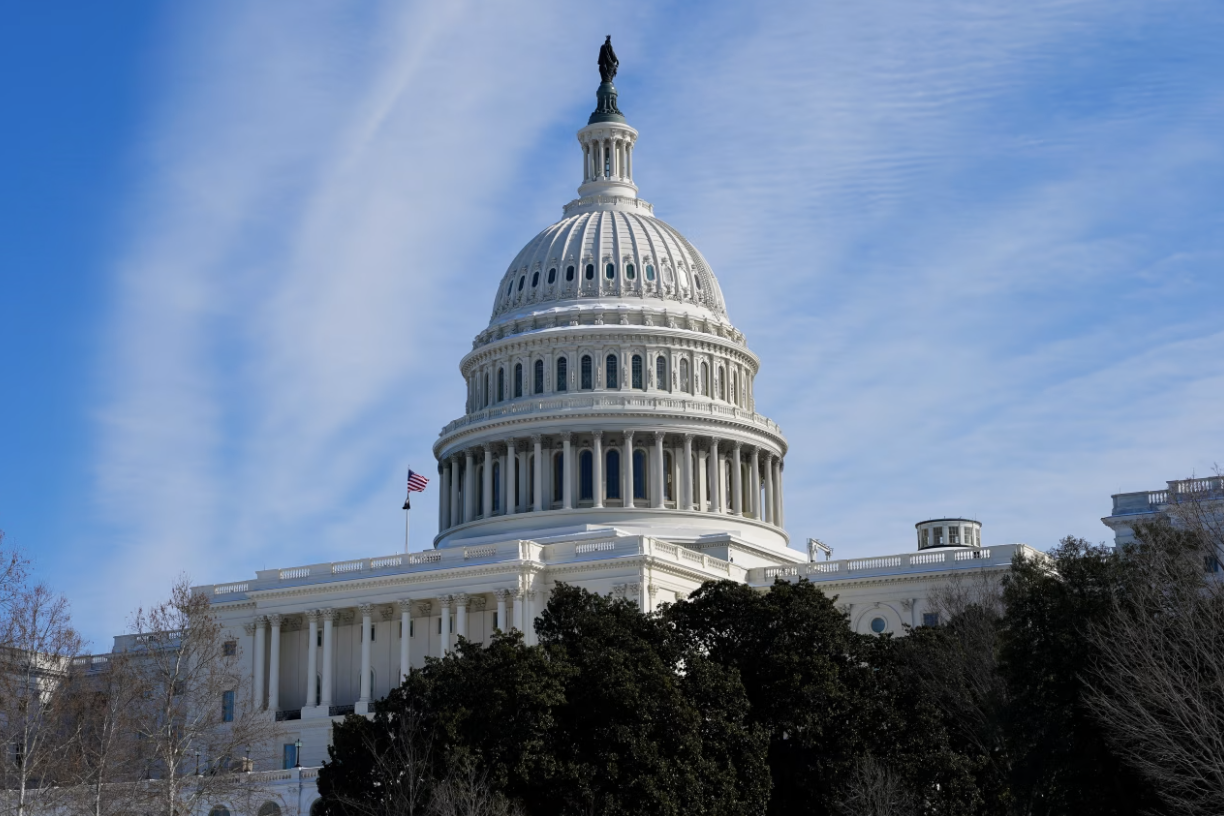
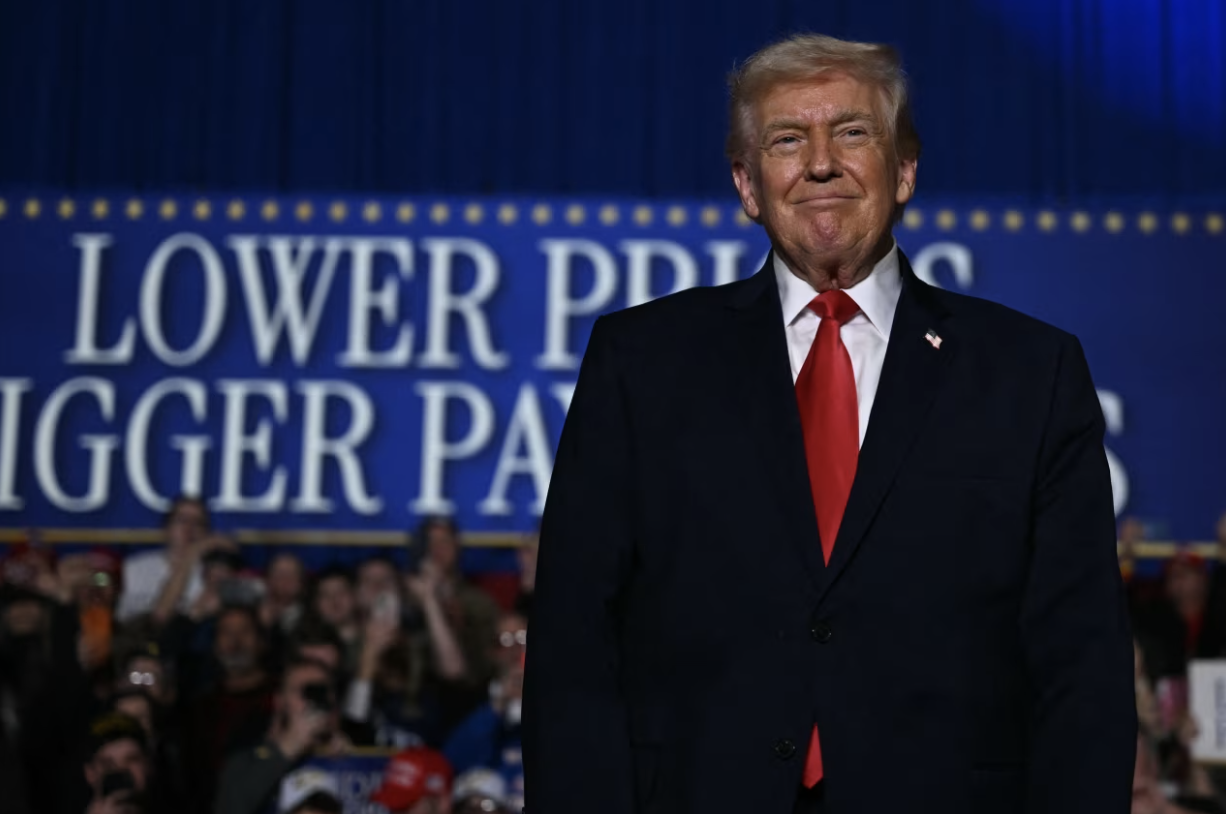
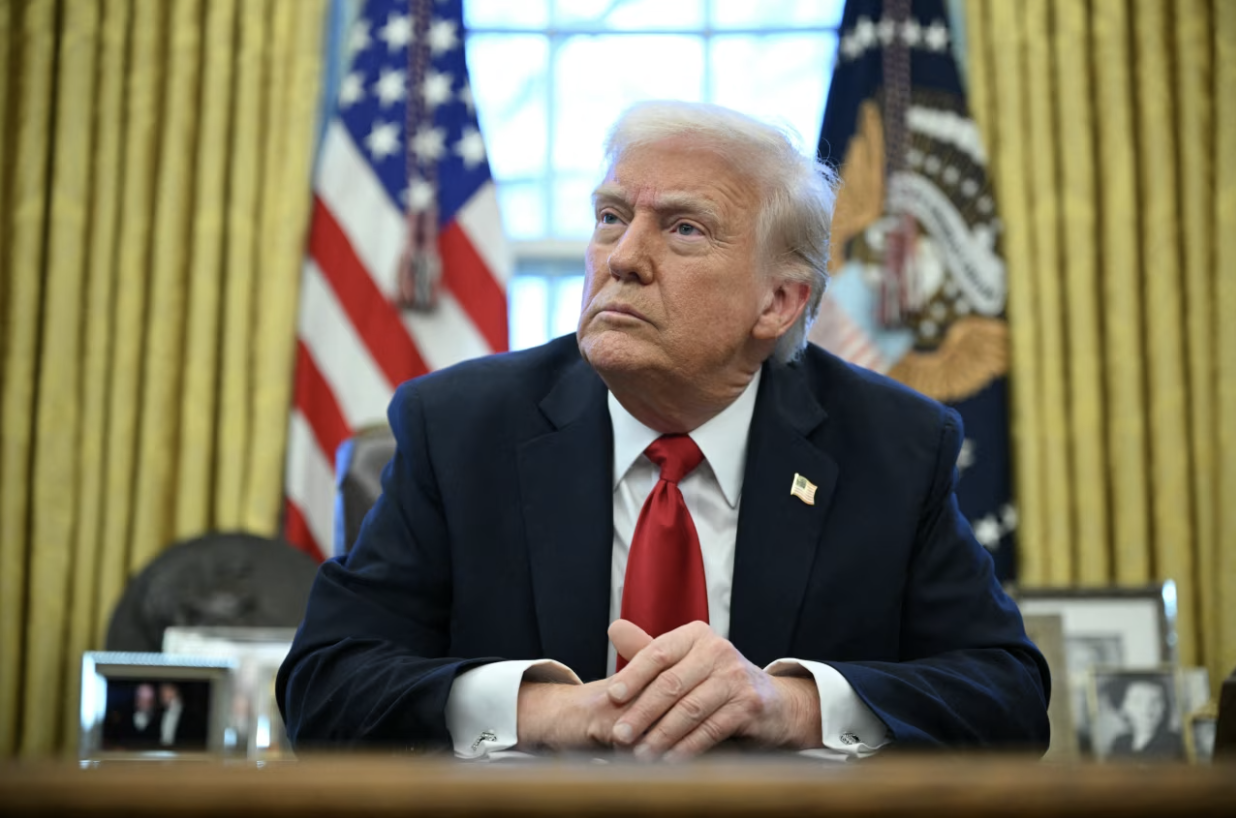
Polls show both parties are suffering in the government shutdown and debt-ceiling fights. The numbers for Republicans are marginally worse than those for President Obama and Democrats, but no one is escaping without damage.
For example, an Oct. 3-6 CNN poll found 63% are angry with Republicans for how they've handled the shutdown compared with 57% angry with Democrats and 53% angry with Mr. Obama. No surprises here. In a showdown of this nature, a president has significant institutional advantages, including a larger bully pulpit and, in Mr. Obama's case, highly sympathetic press coverage.
A Sept. 27-28 Gallup survey found that 47% felt the budget debate is "mostly an attempt by both sides to gain political advantage." Only 37% believed it is "an important battle over principles and the future direction of government." Among independents, 53% believe it's about "political advantage."
Congressional Republicans are in a difficult spot because there are just enough members who share the attitude of Indiana Rep. Marlin Stutzman, who insists, "We have to get something out of this. And I don't know what that even is." In general, it's not wise to engage in a battle without having an endgame.
For Florida Rep. Ted Yoho, the shutdown is "the tremor before the tsunami," as he told the Washington Post. Not raising the debt ceiling will "bring stability to world markets," the Republican said.
But when Mr. Yoho impulsively answered a phone call to his office he changed his tone. Responding to a constituent angry about the shutdown, he replied that "We're working on getting something resolved here, as fast as we can." If Mr. Yoho won't defend inflicting a "tremor" on a constituent, how can he justify forcing GOP colleagues to endure a "tsunami?"
Messrs. Stutzman and Yoho have talked themselves into a dead-end losing situation and forced fellow Republicans to go along for the ride.
Still, the president is also in real difficulty. If Americans believe Washington is a mess, then the unquestionable leader of Washington—the president—suffers along with everyone else. That's why 57% of respondents in an Oct. 2-3 Gallup poll said that they felt more negative about Mr. Obama "as a consequence of the shutdown," while 28% felt more positive.
The week before he was first elected, Mr. Obama's favorable/unfavorable rating in the Fox News poll was 57%-39%. It took four years to drop to 53%-45% in Oct. 2012 and just one more year to fall to 47%-50% this month. A new Associated Press-GfK survey out yesterday had his approval rating down to 37%.
It is mystifying why Mr. Obama has weakened himself by being so unwilling to negotiate. At a moment when Americans are pining for compromise, the president offers rigid self-righteousness. The power of the presidency depends upon supple and subtle leadership. Surely he must know this. Unless the president engages in give-and-take, compromise and consensus-seeking, Washington doesn't work.
This moment is reminiscent of Mr. Obama's bungling of the December 2010 Simpson-Bowles Commission report. He didn't just fail to act on its blueprint for righting the nation's finances—he acted as if he'd never heard of the commission that he appointed. If the president had embraced Simpson-Bowles and worked to pass its recommendations, he would have been handsomely rewarded. Instead he opted for partisan stalemate and acrimony.
Similarly, had Mr. Obama seized any of the recent openings for deals on the budget and debt ceiling, his numbers would be rising. Instead, in a time of divided government he acts as if he has a supermajority in both chambers. He doesn't—and hence the legislative and executive branches are locked in a political death match.
It's impossible to know the president's motivation. It could be fear of criticism from his party's left. It may be that he views himself as an emperor. It may be genuine contempt for his opposition. Or it may be some combination of these.
This much seems clear: Mr. Obama is weakening not just Republicans but himself by his failure to lead. He is accelerating the inevitable process of decline characteristic of a lame-duck leader. He is dispiriting the nation and weakening it in the world's eyes. Other leaders around the globe must wonder why Mr. Obama cannot maneuver himself and America out of these difficulties.
Mr. Obama believed this showdown would break Republicans. What he didn't realize is that by not bending himself, he might break his own presidency.
A version of this article appeared October 10, 2013, in the U.S. edition of The Wall Street Journal, with the headline: The Public Weighs In on the Shutdown and online at WSJ.com.