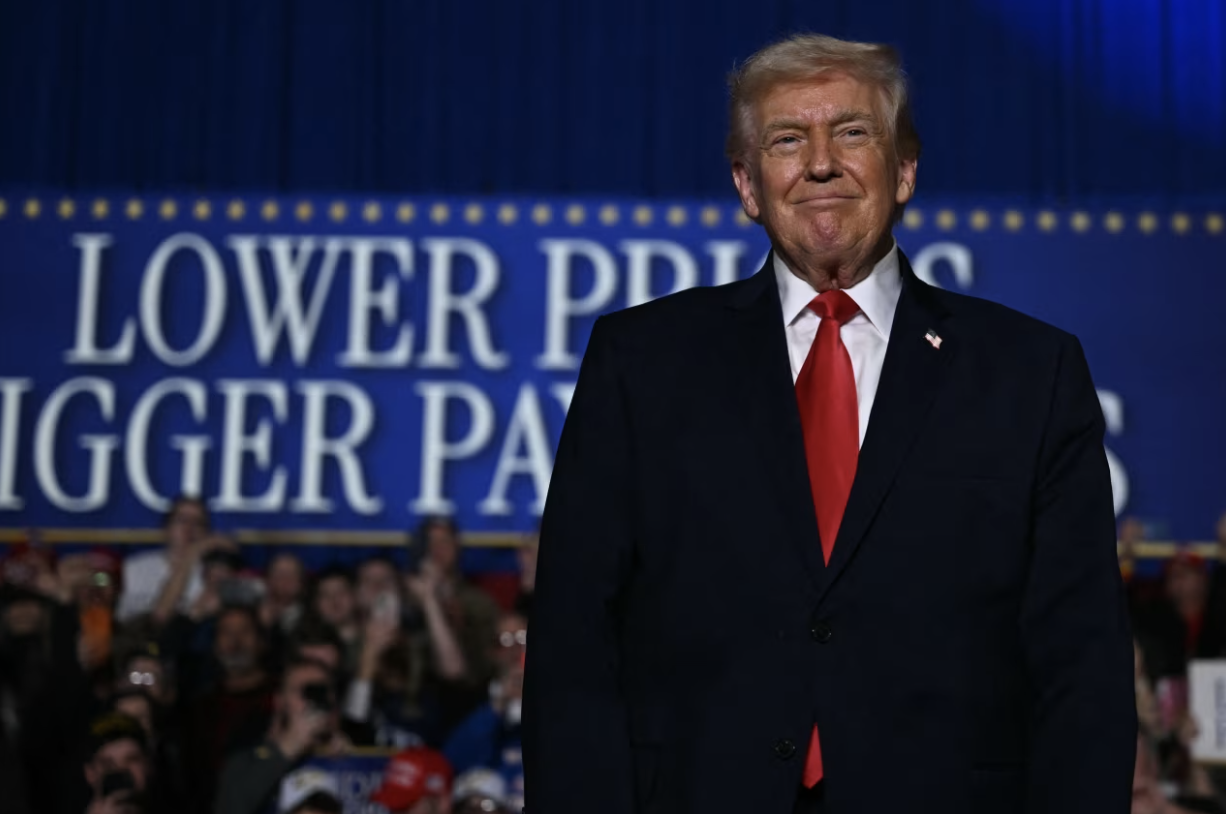
It may be hard to tell, but Donald Trump is still in the period of his presidency typically regarded as the honeymoon. This is when new administrations maximize early successes to harvest political capital. Yet aside from this week’s likely confirmation of Judge Neil Gorsuch to the Supreme Court, Mr. Trump’s first 100 days have been dominated by needless controversies and stalled initiatives. The White House needs a course correction.
No president gets everything right from the beginning. Remember the Bay of Pigs? But good presidents learn from early mistakes and step up their game.
Mr. Trump should start by understanding the poll numbers. Around 40% of Americans approve of his performance in office, while 53% disapprove, according to the Real Clear Politics average. No other president has had numbers this low this early.
The 70-year-old is surrounded by aides who want to let Trump be Trump. Fair enough: He won’t stop tweeting, but he should at least focus his early-morning missives on governance. Last week he did this effectively by drawing attention to a New York Timesreport about ObamaCare. “In places where no insurance company offers plans,” the story said, “there will be no way for Obamacare customers to use subsidies to buy health plans.” The president’s tweets can educate millions. Why not keep them substantive?
Maybe Mr. Trump’s top advisers should take turns reviewing his tweets in advance. The president might not welcome this, but tweaking his messages has become vital.
The public now knows that President Obama’s national security adviser, Susan Rice, unmasked the name of at least one Trump transition official. Investigators in Congress are unlikely to find collusion between Vladimir Putin’s spy apparatus and the Trump campaign, but likely to reveal mishandling of intelligence by Obama officials.
Mr. Trump should move on, saying simply that he is happy lawmakers are investigating and looks forward to their report. A day of vindication is probably coming, but this story has become a distraction.
Mr. Trump should stop blaming his predecessor. It was tiresome when President Obama did it and made him look weak.
The president should stop raising expectations. Islamic State will not be defeated quickly. ObamaCare will not be repealed and replaced easily. Mr. Trump is not “the greatest jobs producer that God ever created.” The strategy should be to underpromise and overdeliver.
Mr. Trump should stop attacking fellow Republicans, too. Punching down at the Freedom Caucus makes it more difficult for its members to support him on issues like the debt ceiling and tax reform. Better to express disappointment than anger—and to do it privately.
Constant leaks suggest that the White House staff is riven by division and disunity, with three feuding tribes: the Trump family and its allies, populist disrupters led by Steve Bannon and Stephen Miller, and everyone else. The president should try to diminish infighting by encouraging unity of purpose, while maintaining diversity of opinion.
Mr. Trump won’t boost his staff’s morale by blaming them for recent setbacks, as leaks from the West Wing indicate he has done. That causes aides to hunker down and leads to more finger-pointing, acrimony and distrust. At moments like this, a president must buck up the people around him by owning the missteps.
While reports from White House visitors suggest that the policy-making process has gotten less ragged than it was in the administration’s opening weeks, much more structure is still needed. The president should regularly block off substantial time on his calendar for policy briefings, preceded by meetings during which the principals can frame the debate for him. Potential decisions should be put on paper and circulated through senior staff for comment. There should be some forum to achieve consensus on what to focus on when, and for how long.
To continue reading this article, visit WSJ.com
It’s dangerous to have people whose only job is to advise the president, since this encourages aides to end-run or short-circuit any formal policy process. Better to make these people directly responsible for helping to execute decisions.
The White House should host fewer events so that it can go deeper into each issue it wants to draw attention to. The constant rush of appearances, tweets, rallies, interviews and photo-ops is good for cable television, but it could burn out the staff and stretch the president too thin.
Moreover, this all seems a jumble to most Americans. The avalanche of news generated by this White House could exhaust people, causing them to lose interest and confidence. When his approval rating is below 40%—with softening support among even Republicans—the last thing Mr. Trump should want is for Americans to turn off and tune out.