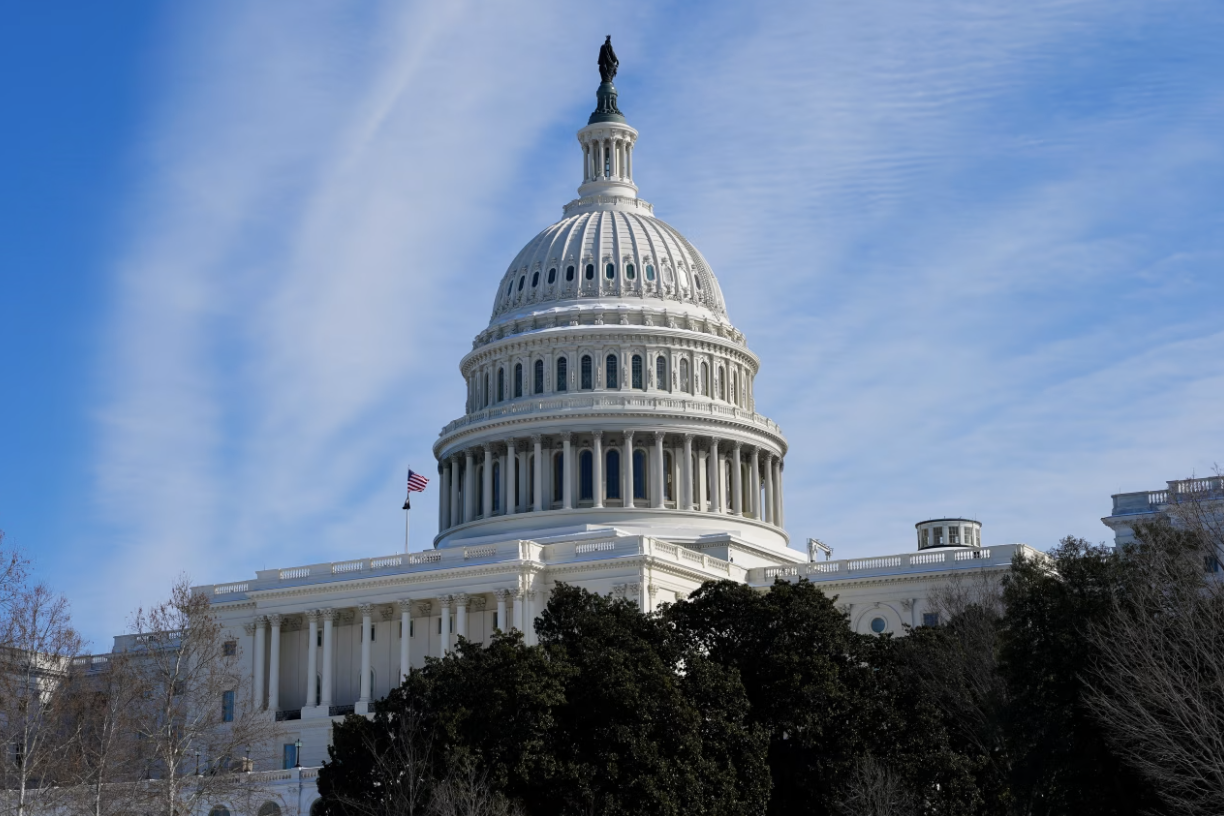
It’s likely Democrats will flip the House this fall. They need to gain only three seats, and the president’s party generally loses ground in midterm elections.
In the past 100 years, the party in the White House has added seats in a midterm only three times: in 2002 and 1998, when Presidents Bush and Clinton had above 60% approval ratings, and in 1934, before polling, when Franklin D. Roosevelt was a political colossus. Today, President Trump’s approval is 42% in the RealClearPolitics average.
Still, American politics are narrowly divided and sharply polarized. The pool of swing voters and independents is relatively small—but probably not larger than 15% or 16%. Even if Democrats take the House, it could be a narrow majority.
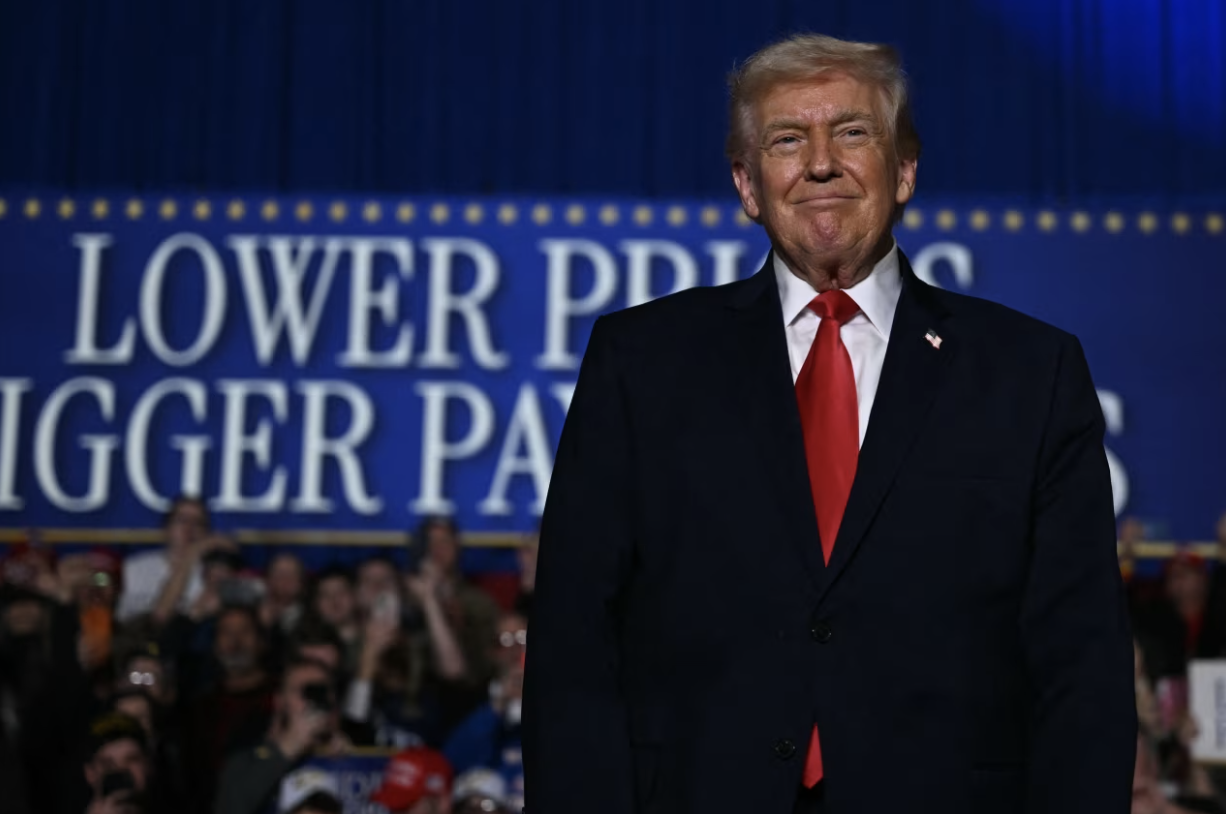
What’s the strategy? The Democratic Congressional Campaign Committee chairman, Rep. Suzan DelBene, set the tone. “Health care, housing, groceries, energy bills— they are all going up,” she said Tuesday, blaming “Republican policies that favor the wealthiest few while leaving hardworking families behind.” The DCCC was even pithier when announcing that day a new target GOP-held seat: Republicans are “gutting health care and raising costs.”
Emphasizing healthcare worked for Democrats in Mr. Trump’s first term, after Republicans tried and failed to repeal Obamacare. That helped Democrats pick up net 41 House seats. Speaker Nancy Pelosi spent the next two years bedeviling Mr. Trump.
The congressional fight last year over extending President Biden’s Covid-era subsidies for ObamaCare set the table again for Democrats. They’ll keep pounding on healthcare, especially against GOP incumbents who voted against extending the subsidies.
As to rising prices, Democrats are betting voters won’t remember—and that Republicans don’t effectively remind them—that a Democratic president’s policies ignited inflation.
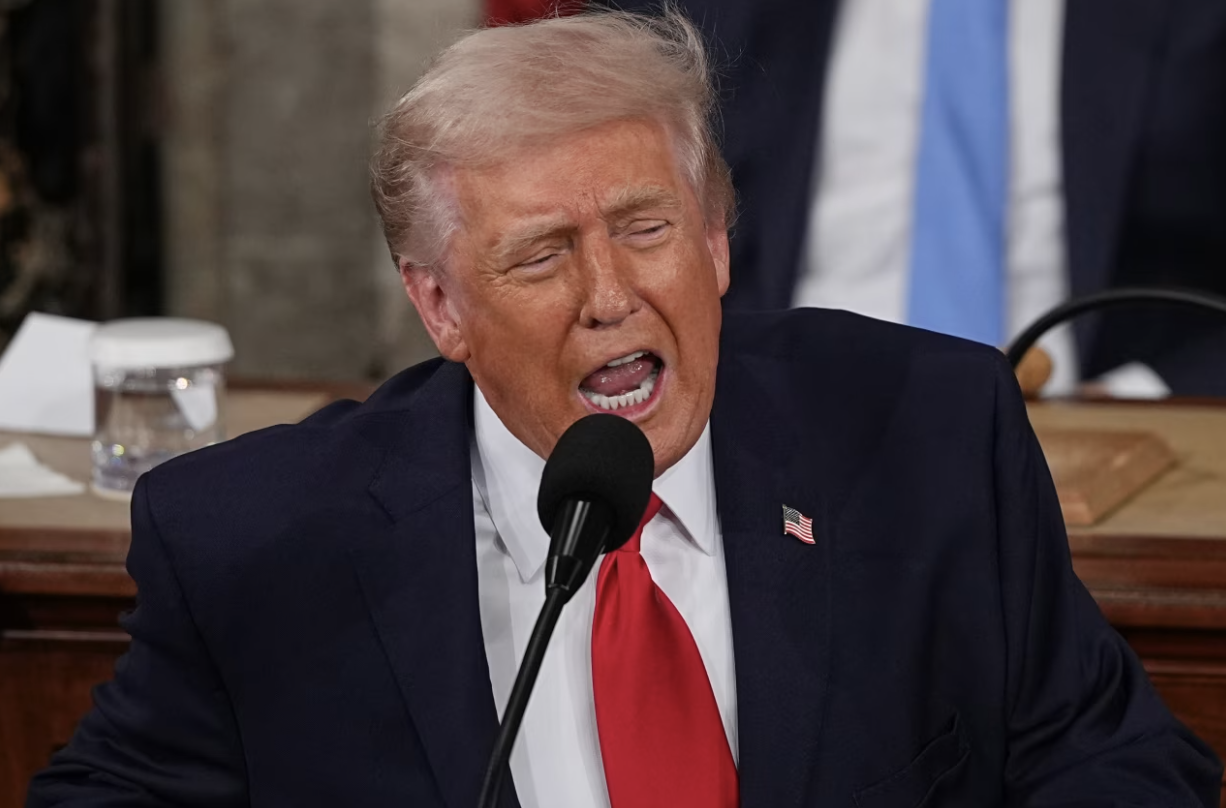
Democrats want this election to be a referendum on Mr. Trump. So they’re happy for him to fill his days attacking the Super Bowl halftime show, posting a map showing Greenland, Canada and Venezuela as American possessions, or trashing a U.S. Olympic athlete on Truth Social. Every moment he spends on such frivolities is a missed opportunity to advance his cause.
It appears there are two other elements to the Democrats’ strategy. They’ll jump on issues that put MAGA die-hards on their side, like the Epstein files. Trumpian voters expected proof of a cabal of powerful figures involved in Epstein’s crimes. So Democrats will keep criticizing the administration for not being more forthcoming.
It seems Democrats will also engage with Mr. Trump when it fires up their base without energizing the president’s followers in response. One example: the president’s saying the federal government should “take over” voting administration in Democratic strongholds this fall, which Republicans took as just another call for election integrity. House Minority Leader Hakeem Jeffries pounced. The president wants to “steal” the election, he said, vowing: “We’re not going to let it happen.”
Otherwise Democratic leaders won’t be pulled from campaigning on affordability and other moderate issues. They’re trying to keep the party’s left wing from forcing them onto the wrong side of issues by throwing them occasional red meat. So Mr. Jeffries sends a fundraising email saying “F— Donald Trump and his vile, racist and malignant behavior” for posting a video showing Barack and Michelle Obama as primates. But he won’t join the far left in calling to abolish Immigration and Customs Enforcement. Instead, he advocates “common sense reforms and accountability.” Nor does he talk about impeaching Mr. Trump.